
Understanding the Concept of Luck in Gambling
Luck is often deemed a mystical force that governs outcomes in casinos, leading many players to believe that winning is merely a matter of chance. This perception can create a romantic allure around gambling, where narratives of miraculous wins perpetuate the idea that luck can favor anyone. In this context, some players seek the best online casino nz to enhance their experience. However, it is essential to recognize that luck is not simply an abstract concept; it is influenced by various factors, including game mechanics and individual decision-making.
Most casino games are designed with odds that favor the house, meaning that while luck plays a role, the underlying mathematics are crucial to understanding how victories and defeats unfold. For instance, games like slots are governed by random number generators that ensure that each spin is independent of the last. This means that the outcomes, while seemingly random, are heavily weighted by probabilities that players often misunderstand or overlook.
Moreover, the perception of luck can vary from player to player. Some individuals cling to superstitions, believing that certain rituals or lucky charms can sway the odds in their favor. While these beliefs add excitement to the gambling experience, they do not alter the fundamental nature of the games. Ultimately, recognizing the interplay between luck and the structured design of casino games can provide a clearer perspective on the realities of gambling.
Myths Surrounding Winning Strategies
One of the most pervasive myths is that there exist foolproof strategies that can guarantee wins in casinos. This belief often leads players to invest in systems promising to beat the house advantage. However, experts emphasize that no strategy can overcome the fundamental odds built into the games, especially in those like roulette and slots. Each game operates on principles of probability, meaning that while strategies can enhance the playing experience, they cannot secure consistent victories.
For instance, many players are drawn to the Martingale betting system, which advocates doubling bets after losses to recoup losses once a win occurs. While the strategy might yield short-term gains, it can quickly lead to significant losses during an unfortunate streak. Casinos also impose betting limits that effectively neutralize the effectiveness of such strategies, showcasing the need for a rational approach to gambling rather than reliance on false promises of guaranteed success.
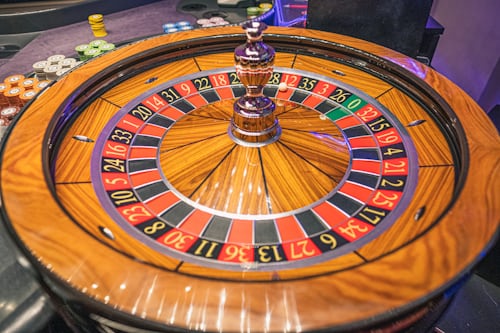
Additionally, the perception that certain players have a “winning touch” can fuel the myth that success at gambling can be achieved through specific behaviors or traits. In reality, winning at casinos is often the result of chance rather than skill or intuition. This understanding can help mitigate unrealistic expectations and foster a more enjoyable gaming experience that emphasizes entertainment over financial gain.
How Environment Influences Luck
The environment of a casino can profoundly impact a player’s mindset and, consequently, their perceptions of luck. The atmosphere is meticulously designed to stimulate excitement, with vibrant colors, flashing lights, and engaging sounds that create a euphoric experience. This ambiance can lead players to feel more fortunate than they actually are, resulting in decisions that may not align with logical thinking. In such a state, the perception of luck becomes skewed.
Furthermore, the social aspect of gambling can also play a role in influencing one’s perception of luck. Engaging with fellow players and sharing stories of wins and losses can create a communal atmosphere where luck feels amplified. For instance, witnessing another player hitting the jackpot can inspire hope and a belief in shared fortune. However, it is crucial to ground such excitement in the reality that each player’s experience is ultimately independent of another’s.
In effect, the casino environment, with its strategic design elements and social dynamics, can lead to an inflated sense of luck. Awareness of these psychological influences can empower players to approach gambling with a critical mindset, allowing them to differentiate between the feelings of luck and the actual statistical realities of the games they are playing.
The Role of Randomness in Casino Games
Understanding randomness is essential for grasping the underlying truths about luck in casinos. This principle stems from the idea that outcomes are independent of one another, which is particularly evident in games that rely on random number generators. These systems ensure that every spin of a slot or turn of a card is not influenced by previous results, reinforcing the notion that luck is inherently unpredictable.

Moreover, the presence of randomness means that patterns players think they observe—like hot and cold streaks—are more often than not illusions. The human brain is wired to seek patterns, which can lead to misguided beliefs about how luck functions. For instance, seeing several consecutive wins can lead to the erroneous conclusion that a machine is “due” for a loss. In reality, each outcome is isolated and random, meaning that previous results have no bearing on future gameplay.
This understanding of randomness serves to clarify the distinction between short-term luck and long-term odds. While players may experience streaks of good or bad fortune within a single session, the average outcomes will ultimately align with the probability models dictated by the game. Emphasizing the role of randomness can help players embrace a healthier relationship with casino gaming, recognizing that while luck is part of the experience, it is not the sole determinant of success.
Finding Balance: Enjoying the Casino Experience Responsibly
Ultimately, the most significant truth about luck in casinos is that it should be approached with a balanced mindset. Understanding that wins and losses are a natural part of the gambling landscape can help individuals enjoy the experience without succumbing to the myths that often accompany it. By cultivating a responsible attitude towards gaming, players can appreciate the thrill without being overwhelmed by unrealistic expectations or emotional highs and lows.
Establishing limits on time and money spent while gambling can enhance the enjoyment of the activity. When players treat gaming as a form of entertainment rather than a means to achieve financial success, they are more likely to have a positive experience. This shift in perspective allows for a more sustainable approach to gambling, where the enjoyment of the game takes precedence over the pursuit of luck.
Moreover, players should seek to educate themselves about the games they are participating in, understanding the odds, strategies, and delusions that surround them. With a clearer grasp of the realities of gambling, players can enrich their experience, making informed decisions that lead to entertainment rather than regret. Recognizing the myths surrounding luck is a crucial step toward fostering a fulfilling casino experience.
Comentários